Work-integrated learning can be valuable for students who want to gain professional experience before graduation.
The basic idea is simple: students apply what they learn academically in a workplace or practice environment.
WIL can include internships, co-op placements, practicums, field placements, apprenticeships and applied projects.
The biggest advantage is the connection between theory and practice.
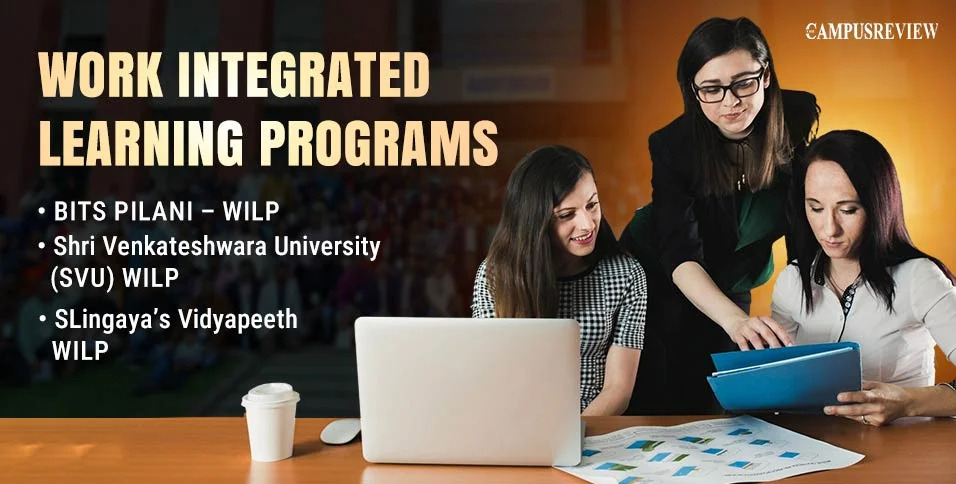
A student may understand a concept in a classroom but learn much more about it when they have to use it to solve a real workplace problem.
WIL can also help students develop communication, teamwork, problem-solving and professional skills.
However, students should evaluate each opportunity carefully. Program quality, supervision, learning objectives, compensation and relevance to the student's field can vary.
More information:
https://thecampusreview.com/careers/work-integrated-learning-programs/


 Locked