The
largest islands in the world are important geographical regions because they contain diverse ecosystems, natural resources, and distinctive landscapes.
Greenland has a major role in discussions about ice sheets and climate change. Borneo and New Guinea contain valuable tropical ecosystems, while Madagascar is recognised for its remarkable endemic wildlife.
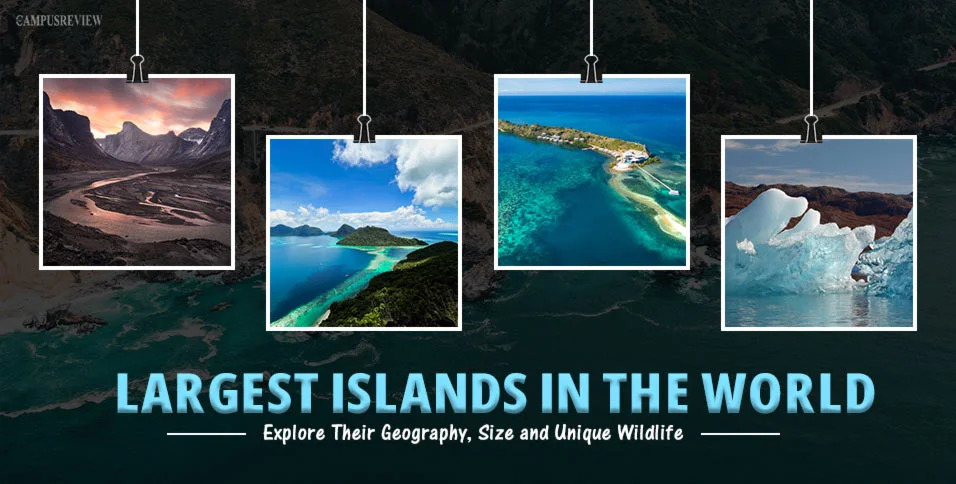
Studying these islands helps us understand:
How islands differ in size and geographical location
Why some islands have unique plant and animal species
How glaciers, volcanoes, and tectonic activity shape landscapes
How climate change affects island environments
Why conservation is important for biodiversity
The Campus Review explores these topics through its guide to the 10 largest islands in the world.
Discover the rankings, geographical facts, and environmental information here:
https://thecampusreview.com/geography/largest-islands-in-the-world/#GeographyLearning #IslandEcosystems #ClimateScience #Biodiversit


 Locked