Ecosystem classification helps us understand why different communities of organisms develop in different environments.
One common approach divides ecosystems into natural and artificial ecosystems.
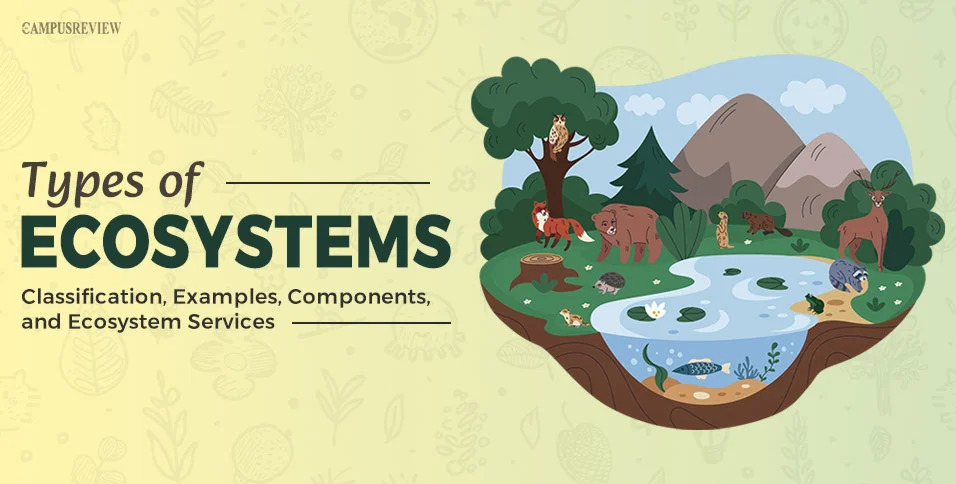
Natural ecosystems can be further grouped into terrestrial ecosystems and aquatic ecosystems. Forests, grasslands, deserts, tundra, and mountains are examples of terrestrial environments, while freshwater and marine environments belong to the aquatic category.
The classification becomes even more useful when studying the role of producers, consumers, decomposers, energy flow, and nutrient cycling.
The Campus Review provides a detailed overview of these categories and their examples.
https://thecampusreview.com/stem/types-of-ecosystems/#Ecosystem #Ecology #Biology #EnvironmentalScience


 Locked