Earth's internal structure is commonly divided into four main layers: the crust, mantle, outer core and inner core.
These
layers differ in thickness, composition, temperature and physical state. The crust forms the outer surface, the mantle consists mainly of solid rock that deforms slowly, and the core contains metal-rich material. The outer core is liquid, while the inner core is solid.
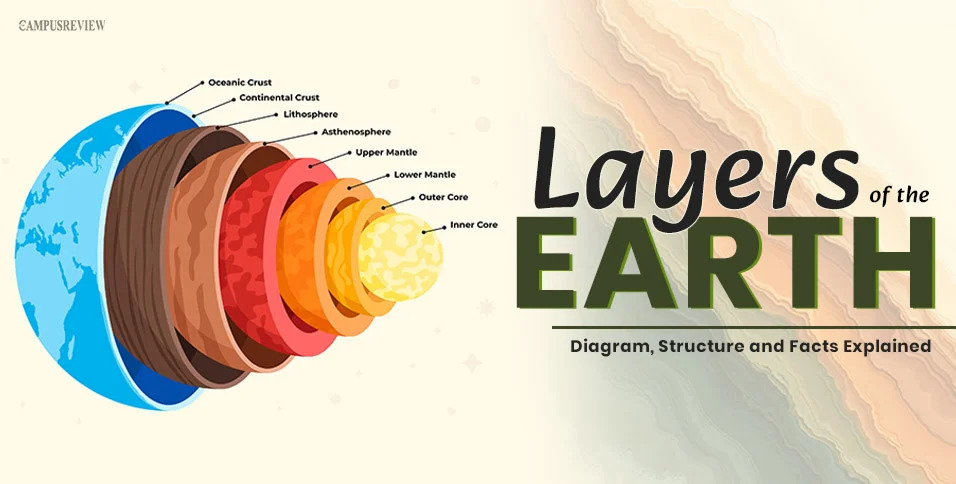
Understanding these differences helps explain geological processes such as plate movement, earthquakes and volcanic activity.
Scientists investigate Earth's deep interior using seismic waves and other indirect measurements.
The Campus Review provides a guide to Earth's layers, their properties and their scientific significance.
Read more:
https://thecampusreview.com/stem/layers-of-the-earth/#EarthScience #Geology #ScienceLearning


 Locked