Genetic diversity describes the range of genetic differences within a species or population. It matters because individuals may carry different inherited traits, and some of those traits may be advantageous when environmental conditions change.
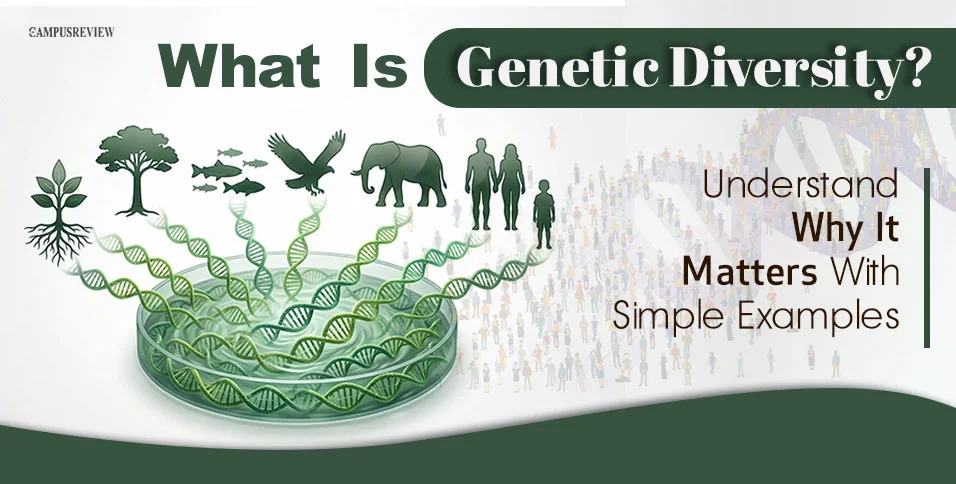
Mutation can introduce new genetic variants, recombination creates new combinations, and gene flow can introduce alleles from other populations. Genetic drift, meanwhile, can cause variants to become less common or disappear, particularly in small populations.
These processes help explain why conservationists monitor genetic diversity when managing endangered species and isolated populations.
The Campus Review provides a practical introduction to the topic, including biological mechanisms, examples, and conservation considerations.
Read the article:
https://thecampusreview.com/stem/genetic-diversity/#Genetics #GeneticDiversity #ConservationBiology


 Locked