Neutrinos are extremely difficult to detect because they interact only rarely with matter.
The IceCube Neutrino Observatory addresses this challenge by using a massive volume of clear Antarctic ice containing thousands of optical sensors. When a neutrino interaction produces detectable secondary particles, the resulting light can be recorded by the sensors.
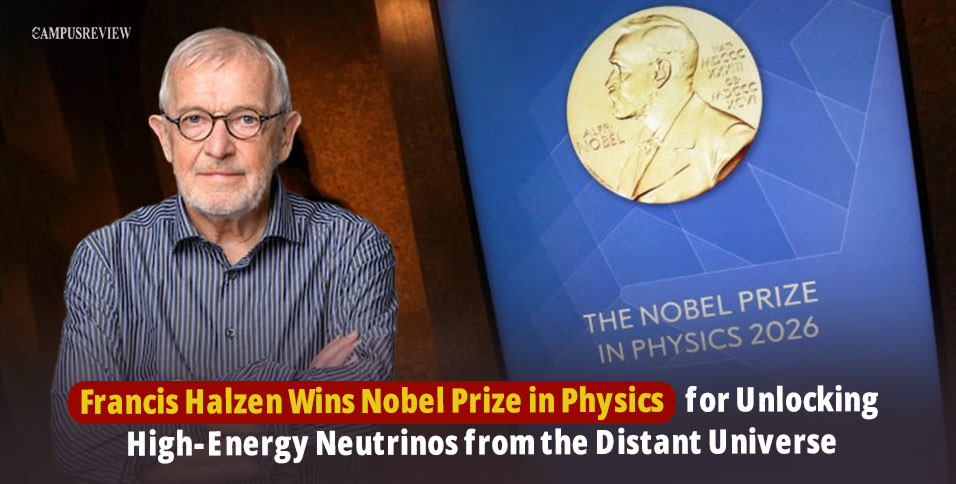 Francis Halzen's
 vision for using Antarctic ice as a neutrino detector became central to this scientific achievement.
The Campus Review explores how IceCube works and why the project earned Nobel recognition.
https://thecampusreview.com/news/francis-halzen-wins-nobel-prize/#IceCube #Neutrinos #PhysicsExplained #FrancisHalzen


 Locked