Work-integrated learning (WIL) connects academic education with practical experience in a workplace or professional setting.
Students may participate through internships, co-op programs, apprenticeships, practicums, field placements or applied projects.
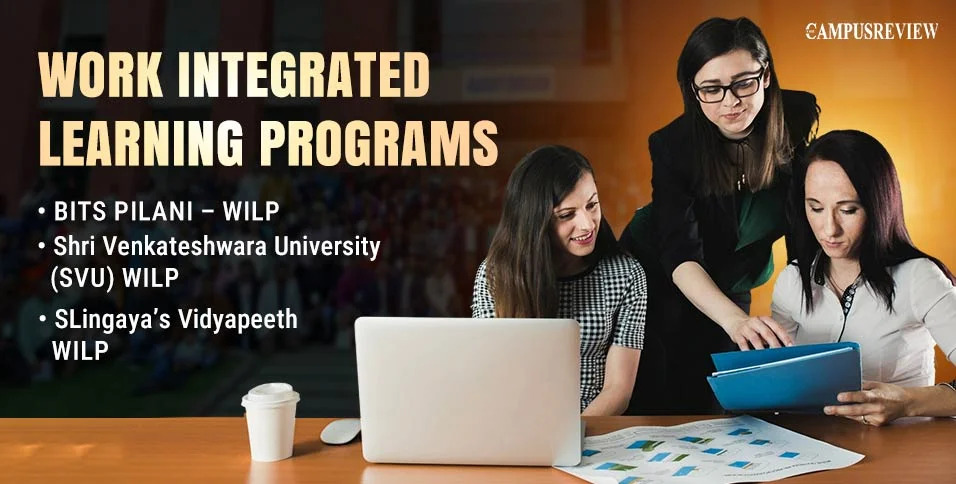
The main advantage is the opportunity to apply theoretical knowledge to practical problems.
Students can also develop:
Critical thinking
Problem-solving
Communication
Teamwork
Time management
Adaptability
Professional confidence
Evidence from student work-placement programs has found improvements in several work-ready skills, including critical thinking, oral communication, problem-solving and time management.
WIL can therefore act as a bridge between university education and the workplace.
📖 Full article:
https://thecampusreview.com/careers/work-integrated-learning-programs/#WorkIntegratedLearning #WIL #StudentEmployability #Internships #Coop #CareerSkills #HigherEducation #ExperientialLearning


 Locked