This question often creates confusion because “biggest” can refer to different geological measurements.
Mauna Loa is definitely significant: the U.S. Geological Survey identifies it as Earth's largest active volcano. Its summit is 4,169 meters above sea level, while the volcanic structure extends much farther beneath the Pacific Ocean.
However, other volcanoes can be larger under different measurements.
Tamu Massif, for example, is a gigantic submarine
volcanic structure. It was once identified as the world's largest single shield volcano, but research published later challenged that classification.
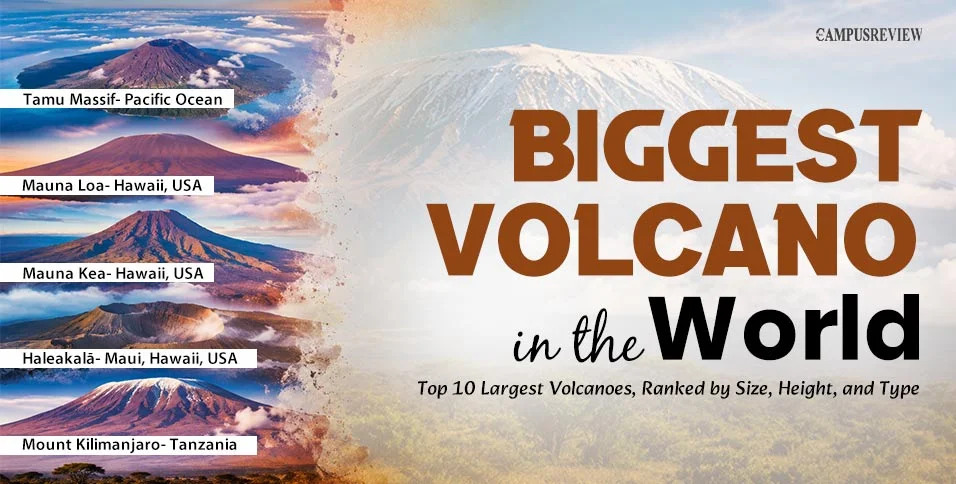
So the answer depends on whether we are discussing active status, volume, footprint, height or another measurement.
The Campus Review guide explores these distinctions and provides a broader comparison of the world's largest volcanoes.
Join the geography discussion with the full guide
https://thecampusreview.com/geography/biggest-volcano-in-the-world/#Volcanoes #Geology #Geography #EarthScience #ScienceDiscussion


 Locked