Jumping Stilts


 Locked


 
|
The Ultimate Guide to jumping stilts: Benefits, Safety, and How to Get Started
Jumping stilts—also known as powerbocks, power stilts, or spring stilts—are high-tech devices that strap to your legs and use fiberglass or carbon-fiber springs to let you jump higher, run faster, and perform acrobatic tricks. They’re used for fitness, extreme sports, performance, and just for fun. This guide covers what jumping stilts are, how they work, the benefits, safety tips, and how to choose the right pair. ---https://mwe-kosin.makewebeasy.co/forum/topic/37221/jumping-stilts ## What Are Jumping Stilts? Jumping stilts are spring-loaded stilts that attach to your lower legs with straps and buckles. They typically feature: - A curved spring (fiberglass or carbon fiber) - A foot platform and bindings - A lower “foot” with a rubber pad for ground contact - Calf and sometimes knee supports for stability When you push down, the spring compresses and then releases energy, propelling you upward and forward. Many users can reach: - Running speeds up to about 20–25 km/h (12–15 mph) with practice - Vertical jumps over 1–1.5 meters (3–5 feet), depending on skill and weight 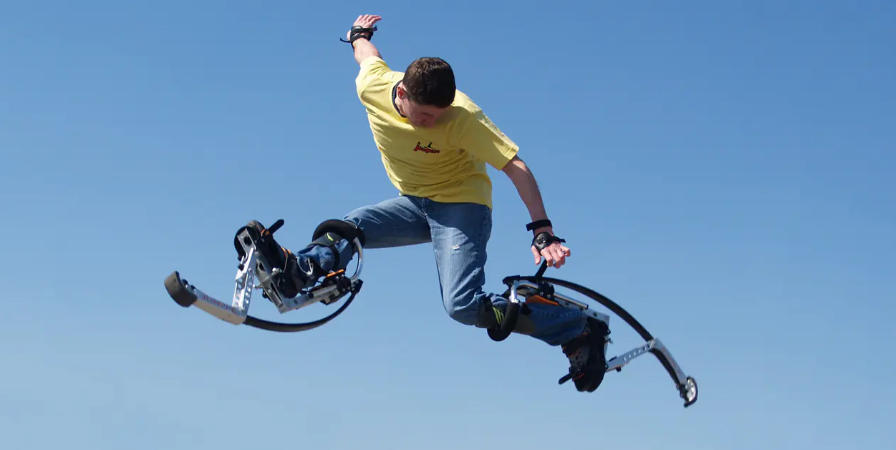 ## Benefits of Using Jumping Stilts ### 1. Full-Body Workout Jumping stilts engage: - Legs and glutes (for jumping and running) - Core muscles (for balance and control) - Arms and shoulders (for balance and momentum) Regular use improves cardiovascular fitness, strength, and endurance. ### 2. Low-Impact Cardio Despite the high jumps, the springs absorb some of the impact when landing, which can feel easier on joints than running on hard ground—provided you use proper form and good surfaces. ### 3. Balance and Coordination Learning to walk, run, and jump on stilts builds: - Proprioception (body awareness) - Dynamic balance - Agility and reaction time These skills carry over into other sports and activities. ### 4. Fun and Motivation Because jumping stilts feel more like a sport or performance than a workout, they can make exercise more enjoyable. Many people find they train longer because it’s simply fun. ### 5. Performance and Creativity Jumping stilts are popular in: - Street performances and shows - Cosplay and costume events - Extreme sports and stunt work You can combine them with dance, parkour, or choreographed routines. --- ## Are Jumping Stilts Safe? Jumping stilts can be used safely, but they are not risk-free. Falls, sprains, and impact injuries are possible, especially while learning or doing tricks. Safety depends on: - Proper protective gear - Correct size and weight rating - Learning gradually in a safe environment - Respecting your limits Sprungstelzen für Erwachsene<br> Sprungstelzen für Kinder<br> ## Essential Safety Gear Always wear: - Helmet (a skate/BMX style or certified sports helmet) - Wrist guards (to protect from falls onto hands) - Knee pads - Elbow pads - Gloves (optional but helpful for grip and minor impacts) If you’re a beginner or practicing new tricks, consider: - Padded shorts or hip protectors - Mouthguard (for higher-risk stunts) --- ## How to Choose the Right Jumping Stilts ### 1. Weight Range Jumping stilts are sold for specific user weight ranges (for example, 50–70 kg or 110–155 lb). Choose a model that matches your weight: - Too low a rating: you may “bottom out” the spring and damage it - Too high a rating: the stilts may feel stiff and hard to control If you’re between sizes, many users prefer the lighter (lower) rating for easier flex, unless you plan aggressive jumping. ### 2. Quality and Materials Look for: - Strong, well-finished springs (fiberglass or carbon fiber) - Solid metal frame and secure welds - Reliable straps and buckles - Replaceable rubber feet Avoid very cheap, unbranded models with poor reviews; failure at height can cause serious injury. ### 3. Comfort and Adjustability Good stilts should offer: - Adjustable foot straps and calf straps - Padding at contact points - A snug fit without pinching Check sizing charts for leg length and shoe size recommendations. ### 4. Intended Use Consider how you plan to use them: - Fitness and casual fun: standard models are fine - Performance and frequent use: invest in higher-quality gear - Tricks and extreme stunts: seek advanced or pro-level models and proper coaching --- ## How to Start Using Jumping Stilts (Step-by-Step) ### 1. Preparation - Put on all protective gear before you strap in - Choose a flat, open area with smooth ground (like a gym, parking lot, or sports court) - Have a stable support available (wall, fence, rail, or a friend) ### 2. Putting Them On - Sit on a sturdy chair or bench - Strap your feet into the platforms (snug, but not painful) - Secure calf straps and any additional supports - Stand up slowly using your support object Take a moment to feel your balance and center of gravity. ### 3. First Movements: Standing and Walking - Start by standing still, learning how to balance over the stilts - Shift your weight from one leg to the other - Take small steps while holding onto your support - Gradually let go and practice walking freely Keep your knees slightly bent and your core engaged. ### 4. Learning to Fall Safely You will fall at some point; learn to do it with less risk: - If you lose balance, try to roll or go to your side, not straight backward - Keep wrists protected with guards and don’t lock your arms - Avoid trying to “catch” yourself with straight arms Practicing small, controlled “bails” can reduce fear and improve confidence. ### 5. Progressing to Running and Jumping Once walking feels natural: - Increase your walking speed to a light jog - Learn to stop by shortening your stride and slightly leaning back - Start with small hops using both feet at once - Build gradually to higher jumps, one-foot steps, and controlled landings Focus on soft, quiet landings with bent knees. --- ## Where to Use Jumping Stilts Choose: - Smooth, flat surfaces: sports courts, clean sidewalks, large rooms - Open spaces: parks or fields with short, even grass Avoid: - Wet, icy, or slippery ground - Uneven terrain, loose gravel, or potholes - Crowded areas, traffic, and steep slopes --- ## Basic Maintenance Tips To keep your jumping stilts safe and functional: - Inspect straps, buckles, and bolts regularly - Check for cracks or damage in the springs and frame - Replace worn rubber feet to maintain grip - Keep moving parts clean and dry - Follow the manufacturer’s guidelines on storage and maximum loads --- ## Common Mistakes to Avoid - Skipping safety gear - Starting with advanced tricks too soon - Using stilts outside your weight rating - Practicing in confined or unsafe areas - Ignoring signs of equipment wear or damage --- ## Who Are Jumping Stilts For? Jumping stilts are popular with: - Fitness enthusiasts wanting a fun cardio routine - Teenagers and adults looking for a new hobby - Performers, dancers, and cosplayers - Extreme sports fans They’re generally not recommended for young children, people with serious joint or balance issues, or anyone without proper protective gear and supervision. Jumping Stilts DE<br> https://skyrunnerstilts.de/#flight-check<br> ## Conclusion Jumping stilts offer a unique mix of fitness, fun, and creativity. With the right equipment, safety gear, and gradual training, you can enjoy higher jumps, faster runs, and an intense full-body workout. If you’re ready to try them, start with a quality, weight-appropriate pair, take your time learning the basics, and always prioritize safety. |
«
Return to Forum
|
1 view|%1 views
| Free forum by Nabble | Edit this page |