Human evolution helps us understand how modern humans developed over millions of years. Fossils, archaeological discoveries, and genetic research provide important clues about this process.
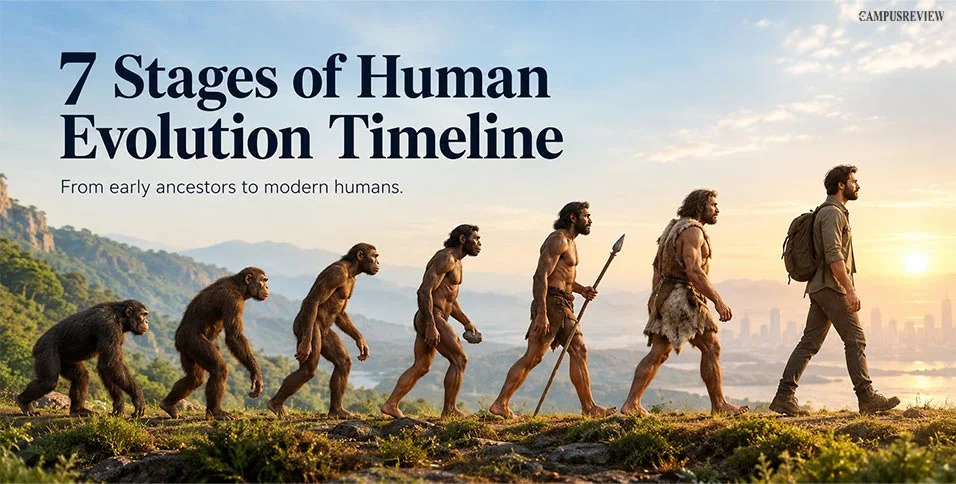
Some major groups commonly discussed in human evolution include Dryopithecus, Ramapithecus, Australopithecus, Homo habilis, Homo erectus, Neanderthals, and Homo sapiens.
Key developments include walking upright, making stone tools, adapting to different environments, and developing complex cultures.
One important point is that human evolution was not a straight-line process. Different human relatives followed branching evolutionary paths.
For a beginner-friendly explanation, explore this guide from The Campus Review:
https://thecampusreview.com/stem/7-stages-of-human-evolution/Discussion question: Which evolutionary milestone do you find most significant: bipedalism, toolmaking, migration, or the development of culture?


 Locked