Historians can evaluate rulers in several ways: administrative reforms, political stability, cultural influence, military achievements, and the long-term effects of their decisions. Some rulers expanded empires, while others became known for reforms or changes in governance.
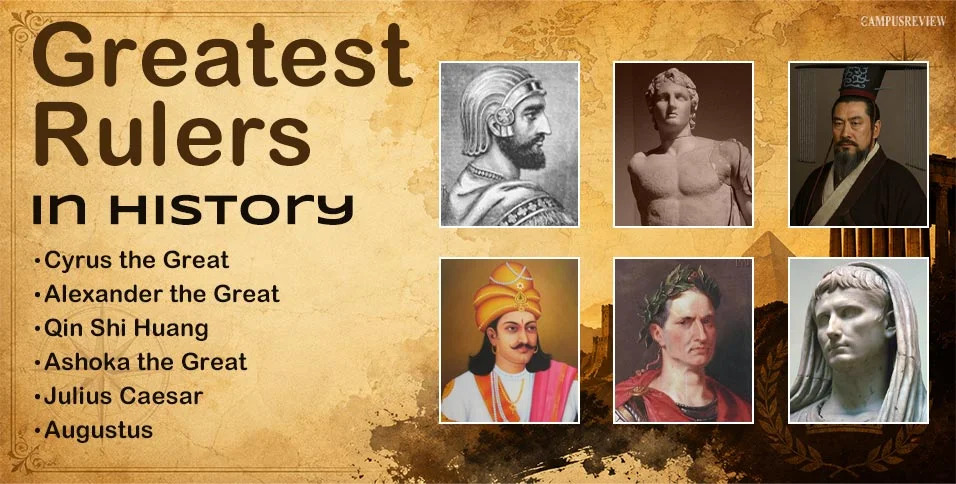
The Campus Review explores these different legacies through
10 historical figures, including Ashoka, Akbar, Augustus, and Cyrus the Great.
Read the article:
https://thecampusreview.com/history-and-culture/greatest-rulers-in-history/Discussion question: Should a ruler’s legacy be judged more by achievements, governance, or the consequences of their actions?


 Locked