Throughout history,
rulers have influenced civilizations through military expansion, political reforms, legal systems and cultural developments.
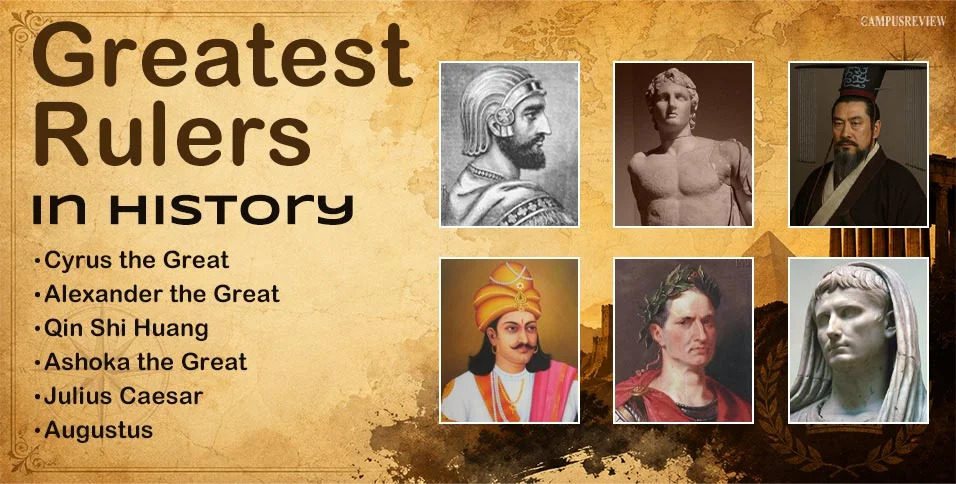
Some notable examples include:
Cyrus the Great, known for governing a diverse Persian Empire
Alexander the Great, remembered for his extensive military campaigns
Qin Shi Huang, who unified China
Ashoka, whose policies changed after the Kalinga War
Augustus, Rome's first emperor
Genghis Khan, founder of the Mongol Empire
Akbar, known for strengthening the Mughal Empire
Napoleon Bonaparte, whose legal reforms influenced many countries
However, historical greatness is not a simple measure. A ruler's achievements must also be considered alongside the consequences of their decisions and methods of governance.
This article explores 10 influential rulers and their lasting legacies:
https://thecampusreview.com/history-and-culture/greatest-rulers-in-history/Discussion question: Should historical rulers be judged mainly by their achievements, their leadership or their impact on ordinary people?


 Locked